Installing Landscape Drainage Systems: Common Mistakes
@caidenfmgm985
November 13, 2026 · 10 min read
Water is the most common cause of failure in residential and commercial landscapes. In Mount Barker and the wider Adelaide Hills, the combination of reactive clay soils, sloping blocks and wet winters means drainage is not an optional extra. It is a core part of landscape engineering. Even well-built landscape drainage systems fail when basic installation steps are skipped or rushed. This guide covers the most common mistakes and how to avoid them in 2026.
Why Drainage Matters in Mount Barker
Mount Barker sits in the Adelaide Hills, where annual rainfall is higher than on the Adelaide plains and many properties sit on hillsides. Clay-rich soils absorb water slowly, hold it for long periods, and then expand and contract with moisture changes. That movement can crack paving, push over walls, undermine footings and cause erosion on slopes. Proper effective stormwater drainage protects houses, driveways, gardens and retaining structures from this cycle.

Ongoing growth in the district also means more new builds, subdivisions and landscaping projects on cut-and-fill sites. Disturbed soil is more prone to settling and erosion, so erosion control drainage and careful excavation and grading matter even more on newer blocks.
Mistake 1: Skipping Site Assessment and Planning
Many drainage problems begin before any digging starts. Installing a system without understanding how water moves across the site usually moves the problem somewhere else, often onto a neighbour's land, which can create legal issues.
What a Proper Assessment Includes
- Observing where water flows, pools and enters the property during heavy rain
- Identifying soil type, since clay, loam and sandy soils drain very differently
- Locating underground services such as water, gas, power, NBN and sewer before any landscape excavation (in South Australia, use Dial Before You Dig)
- Establishing a legal point of discharge, such as a street kerb, stormwater connection or approved soakage system
- Checking council requirements and whether engineering input is needed for larger or hillside construction projects
- Measuring the fall available from the collection point to the outlet
An experienced landscape excavation team will plan levels and outlet points first, then excavate. Skipping this step is the single most expensive mistake in drainage work.
Mistake 2: Incorrect Gradients and Poor Grading
Gravity does the work in most drainage systems, so slope is critical. A pipe laid too flat will hold water and silt up. A pipe laid with an uneven fall will develop low spots where sediment collects and blocks flow.
As a general guide, drainage pipes are typically laid with a minimum fall of around 1 percent (1 in 100), and stormwater lines are often specified at similar or steeper gradients. Surface land grading techniques should also direct water away from buildings, with the ground sloping away from walls and footings. Always confirm specific requirements with a qualified professional and the relevant standards, since needs vary by site.
Accurate levels require a laser level or similar tools. Eyeballing a trench is not reliable, especially over longer runs. Quality landscape earthwork excavation depends on trench depth and base preparation being consistent along the full length.
Mistake 3: Poor Trench Preparation and Compaction
The trench base supports the pipe for decades. Soft spots, rocks or uneven bedding cause pipes to sag, crack or separate at joints. Proper landscape compaction and excavation practices include:
- Digging to a consistent depth and width suited to the pipe size
- Removing sharp rocks, roots and debris from the trench base
- Placing a stable bedding layer beneath the pipe
- Backfilling in layers and compacting each layer to limit later settlement
Poor landscape backfill and excavation work often shows up months later as sunken lines across lawns or garden beds. Settled trenches become channels that redirect water in unintended ways.
Mistake 4: Getting French Drains Wrong
A french drain installation is one of the most effective tools for managing subsurface water, but it is also one of the most commonly misinstalled. Typical errors include:
- Using soil or sand instead of clean, washed aggregate around the pipe
- Leaving out geotextile fabric drainage layers, allowing fine clay and silt to clog the aggregate
- Installing perforated pipe upside down, with holes facing up instead of following the manufacturer's guidance
- Laying the drain with no outlet, so water has nowhere to go
- Placing the drain too close to a building or too shallow to intercept groundwater
Correct drainage aggregate installation uses clean, angular or rounded gravel of a consistent size, wrapped in filter fabric to keep fines out. In clay soils, the fabric is especially important. Without it, the system can clog within a few seasons.
Choosing the Right Gravel Layer
A well-built gravel drainage layer offers large voids for water to travel through. Crusher dust, road base and mixed fines compact and block water movement, so they are unsuitable for drainage zones. Specify clean drainage gravel and confirm the grading with your supplier.
Mistake 5: Neglecting Drainage Behind Retaining Walls
Water pressure is the leading cause of retaining wall failure. Soil saturated with water is much heavier and exerts far greater force on a wall than dry soil. This is why drainage behind retaining walls is not optional, regardless of whether the structure is a small garden retaining wall or a large commercial retaining wall.

Common Retaining Wall Drainage Errors
- Building block retaining walls or concrete retaining walls with no drainage pipe at the base
- Installing slotted pipe without a free-draining gravel zone behind the wall
- Omitting filter fabric, which lets soil wash into the gravel and eventually creates voids behind the wall
- Failing to connect the agg pipe to a proper outlet, so water simply collects at the wall base
- Backfilling with clay instead of free-draining material directly behind the wall
- Blocking weep holes with soil, paving or garden beds
Proper drainage installation for retaining walls typically includes a gravel drainage zone behind the wall, a perforated pipe at the base falling to an outlet, and geotextile fabric separating the gravel from the retained soil. Walls over a certain height generally require engineered retaining wall solutions and may need council approval. In South Australia, walls above specified heights or those supporting additional loads such as driveways or buildings typically need engineering and approval, so check requirements before building.
Mistake 6: Inadequate Excavation for Retaining Walls
The quality of a wall depends heavily on what happens below ground. Excavation for retaining walls must allow for a compacted base, correct embedment depth and the drainage zone behind the wall. Common problems include:
- Shallow or narrow foundation trenching for walls, leaving the base unstable
- Failing to remove topsoil and organic material from the footing zone
- Not compacting the base material before laying the first course
- Insufficient space behind the wall for drainage aggregate
- Ignoring the slope of the site, which affects overturning and sliding forces
Professional excavation services for retaining walls take these factors into account during excavation and site prep. Proper foundation digging for walls sets the level, depth and width needed for stability. On steeper sites, advanced retaining wall techniques, such as stepped or tiered designs, ground reinforcement with geogrid, or engineered footings, help achieve reliable earth retention.
Mistake 7: Overlooking Downspouts and Surface Water
Roof runoff is a large source of water on any property. A single downpour on an average roof can send thousands of litres toward the foundation. Letting downspouts discharge at the base of the wall or onto bare soil is a frequent cause of soggy ground, erosion and footing movement.
A proper downspout drainage extension carries water through solid, sealed pipe to an approved stormwater connection, https://zaneqmjq866.unionquill.com/posts/retaining-wall-costs-in-mount-barker-what-drives-the-price tank or dispersal area, well clear of structures and walls. Do not connect downpipes into perforated subsurface drains unless the design specifically allows it, since that can overload the system and saturate the surrounding soil.
Catch Basins and Surface Drains
Low points in paving, lawns and driveways need a place for water to enter the system. Catch basin installation mistakes include:
- Setting the pit above the surrounding surface level so water bypasses it
- Choosing undersized grates or pits that overflow in heavy rain
- Skipping sediment traps or access points, which makes maintenance difficult
- Failing to support the pit properly, causing it to sink or tilt over time
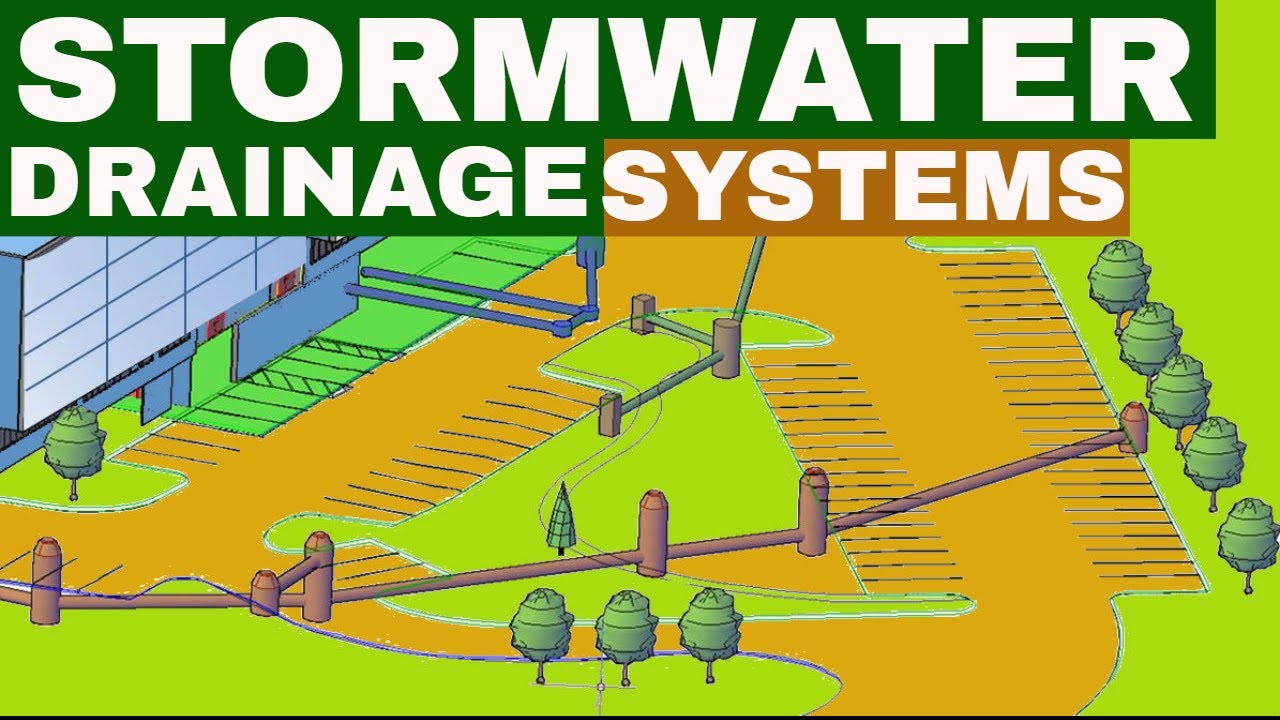
Well-planned comprehensive stormwater drainage links gutters, downpipes, surface pits and subsurface drains into one coordinated system with a legal outlet.
Mistake 8: Ignoring Erosion Control and Slope Stability
Newly disturbed ground is highly vulnerable to erosion. On sloping Mount Barker properties, one heavy storm can strip topsoil, expose pipework and wash sediment into neighbouring land or the street. Erosion prevention should be built into the project from the start, not added after damage occurs.
- Stabilise exposed soil with mulch, turf, matting or planting as soon as work is complete
- Use energy dissipation, such as rock-lined outlets, where pipes discharge onto slopes
- Break up long slopes with benches, swales or terraced walls
- Keep sediment controls such as silt fences in place during construction
Combining earth moving for landscape walls with smart drainage on slopes allows terraced garden retaining walls to slow runoff and create usable flat areas at the same time.
Mistake 9: Choosing the Wrong Contractor or Cutting Corners
Drainage is largely buried, so shortcuts are hard to spot until they fail. Hiring a qualified landscape excavation contractor with local knowledge reduces the risk. Look for providers offering expert landscape excavation and expert stormwater drainage installation, ideally with experience in Adelaide Hills soils and conditions.
Questions to Ask Before Hiring
- Do they have relevant licences, insurance and experience with landscape drainage excavation?
- How do they plan levels, outlets and falls before digging?
- What materials will they use, including pipe type, aggregate and geotextile?
- How will they handle compaction, backfill and site restoration?
- Can they provide custom retaining wall solutions or coordinate with an engineer where needed?
- Do they understand local council and approval requirements?
The cheapest quote often omits fabric, proper aggregate, compaction or outlets. Compare the scope of work rather than only the price, and favour providers offering comprehensive retaining wall support and complete landscape earthwork services from excavation through to finishing.
Mistake 10: Forgetting Maintenance
Even a well-installed system needs periodic attention. Inspect pits, grates and outlets each autumn before the wet season, and again after major storms. Remove leaves, silt and debris. Check that weep holes remain clear, that downspout extensions are connected and that no new garden beds or paving have blocked flow paths. Flushing perforated lines through inspection points helps keep them clear.
Planning Your Project in 2026 and Beyond
Weather patterns are becoming less predictable, with intense short bursts of rain a growing concern for many Australian regions. Designing drainage with extra capacity, and considering water reuse through tanks or soakage where permitted, helps future-proof a property into 2027 and beyond. Innovative retaining wall systems and modern geosynthetics also offer better drainage and stability options than were available a decade ago, particularly for demanding hillside sites.
Key Takeaways
Most drainage failures trace back to the same few issues: poor planning, incorrect falls, weak trench preparation, missing fabric or aggregate, no outlet, and inadequate drainage behind walls. Getting the fundamentals right during landscape excavation installation costs far less than repairing a failed wall or waterlogged yard later. For Mount Barker property owners, working with expert retaining wall construction and experienced stormwater drainage professionals who understand local soils and conditions is the most reliable way to protect a property for the long term. Always confirm council and engineering requirements for your specific site before starting work.
Mt Barker Retaining Walls
2/56A Wellington Rd, Mount Barker SA 5251, Australia
(08) 7282 0278